Wild Horse Fire Brigade Seeks to Save Federally Protected Wild Horses from Slaughter
Breaking TV News!
As wild horse roundups continue across the western United States, concerns are growing among advocates who say the animals play an important role in both ecosystems and American history.
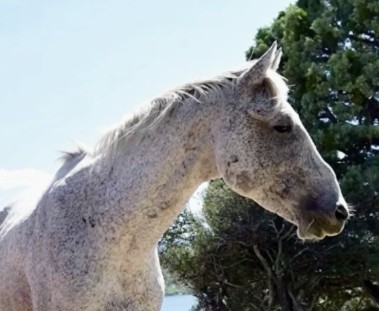
One of those advocates is Bill Simpson, a Siskiyou County wild horse researcher who has spent decades studying a herd of roughly 200 free-roaming horses along the California-Oregon border.
Simpson says his research focuses on the ecological benefits of wild horses, including reducing wildfire fuel loads and helping maintain healthy landscapes.
According to Simpson, recent roundup efforts by the Bureau of Land Management have intensified, raising concerns about the future of wild horse populations.
While wild horse management has long been debated, Simpson points to the Wild Free-Roaming Horses and Burros Act of 1971, which established federal protections for wild horses and burros on public lands.
Simpson argues that reducing wild horse populations too dramatically could have long-term consequences.
“If you reduce the population too much, the herds become smaller and more isolated,” Simpson said. “That can lead to genetic problems and long-term decline.”
Beyond population concerns, Simpson believes wild horses provide important environmental benefits.
“We study the environmental benefits of wild horses, how they reduce fire risk, how they reshape the landscape and enhance the ecosystem,” Simpson said.
He argues that large grazing animals once played a much larger role in managing vegetation across the region.
“The fires are so hot now because there are fewer large herbivores reducing the understory,” Simpson said. “When grass and brush are managed, forests can often withstand more fire.”
Simpson also points to historical accounts suggesting wild horses were once common throughout Northern California and Southern Oregon. He believes restoring more horses to suitable habitat could help address both ecological and conservation concerns.
“The solution is to put them back in the forest where they belong,” Simpson said.
Whether one views wild horses primarily as protected wildlife, cultural icons or land management tools, Simpson says the conversation about their future is becoming increasingly important.
As federal agencies continue managing horse populations on public lands, advocates and policymakers alike will likely continue debating the balance between conservation, habitat management, and the long-term health of wild horse herds.
Watch Video or Listen (Trinity Audio) to the live (recorded) interview HERE.
Help our 501(c)3 all-volunteer nonprofit to save our remaining American heritage wild horses by implementing our proven, holistic, naturally humane management plan (model with 200 horses operating for over a decade & helped stop a major wildfire).
Visit www.wildhorsefirebrigade.org for more information.