A Practical Guide to Horse Boarding: What Every Owner Should Know
Understanding What Horse Boarding Means
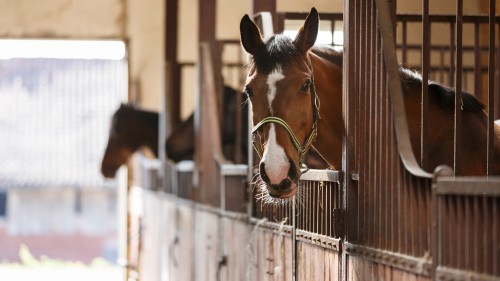
Horse boarding is a service that puts your horse at a professional stable or equestrian facility instead of at home. This is a great option for people who do not have enough land, shelter space, or time to give full daily care. Boarding facilities provide a safe environment for your horse and access to feed and clean water; turnout areas are also included, and also they supply different levels of care based on the package you choose.
Because of the fact that horses require regular feed and care in their stalls, which includes cleaning, exercise, and social interaction, boarding is what guarantees those things are met on a consistent basis. Owners see options like self-care, partial board, full board, stall board, and pasture board. Prices range greatly by location, services included, and what the facility offers, which may put full care at from a few hundred to over a thousand dollars a month.
Types of Horse Boarding Options
Not all horses require the same level of service, which is why boarding facilities provide a variety of options.
Self-Care Board
This is the most practical and economical option. The stable provides stall or pasture space, but the owner is responsible for feeding, cleaning, turnout, and routine care.
Partial Board
A care that is shared between the barn and the owner that runs on each of their strengths. This is a great balance for experienced owners.
Full Board
Feeding, stall care, turnout, and basic daily care, which is great for busy owners.
Pasture Board
Horses in paddocks or fields with access to shelter also do very well. This is true for horses, which do best in a group setting.
What to look for in a quality boarding facility.
Choosing which stable to use is beyond just price. When trying to Find Horse Boarding Near You, the health, comfort, and safety of the horse should be primary.
Clean Water and Quality Feed
A good facility will always have fresh water and reliable forage. Horses do well with constant access to hay or pasture and also do best on a set feed schedule.
Safe Fencing and Turnout
Check out the paddocks and fencing thoroughly. A safe turnout area is key to horses’ mental and physical health.
Ventilation and Stall Cleanliness
Well-aired barns reduce respiratory issues. Stalls should be cleaned out regularly, dried, and properly bedded.
Qualified Staff
The top care professionals are able to notice changes in behavior, appetite, or early signs of illness.
Emergency Preparedness
Ask that in the case of an emergency how they are handled; also ask if there is a vet on call and what the staff response time is in case something goes wrong.
Cost Factors That Influence Boarding Prices
Horse boarding prices may vary greatly between different facilities and areas.
Here are some of the greatest factors, which include:.
- Location: Urban and in-high-demand equestrian areas usually cost more.
- Board type: Full suite is a more expensive option than self-care.
- Arena access: In arenas indoor and out door people see value in.
- Training services: On-site trainers may charge more each month.
- Special care needs: Senior horses, medical treatments, or blanket changes may have extra charges.
In most cases, owners see that full board averages range between 1,200 per month; also, it is not uncommon for premium show barns to go much higher.
Why Stall Availability Matters
One issue that many horse owners report is that of finding an open stall that is in the right area. Very popular barns have wait lists, and in areas that have large riding communities, this is very much the case. That is why many owners have turned to online listings, which put it all in one place: stall availability, amenities, and services.
When it comes to finding horse boarding near you, what you do have is access to current stall info, which in turn will help you narrow down your choices based on budget, discipline, or care type.
This is what resources like horse-boarding-finder.com do for you: they serve as a base to check availability and compare facilities, which in turn is also a great alternative to using word of mouth.
Questions to Ask before Boarding
Before you settle into a particular one, try out these key questions:.
- How many times are horses fed daily?
- Is hay included in the price?
- What is the turnout schedule?
- Do blankets and fly masks get changed by staff?
- Is it ok to give the horse supplements or medicine?
- Is there a farrier that also does veterinary work?
- What happens in severe weather?
- What times are the rides restricted?
These questions will avoid confusion and make sure the facility meets your horse’s needs.
Final Thoughts
Horse boarding is a very large decision for a horse owner. What you choose in a stable provides more than just shelter; it also provides health care, routine, and peace of mind. By that which you put into research and what you put to question, you will in return make better long-term choices for your budget and your horse’s welfare.
Whether you require a full service or a no-frills boarding option, by putting in the time to really look at what the facility has to offer, you will have a better experience.