
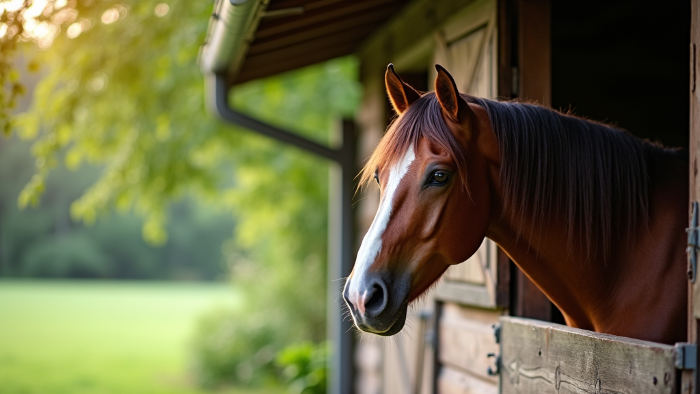
10 Signs Your Horse Is Anxious and How to Calm Them during Emergencies
Understanding Equine Behavior during Emergencies
I take the well-being of a horse during emergencies seriously. Horses can be very sensitive to stressful events, and knowing how to read their body language is a real asset. In times of crisis, anxiety shows up in various ways, from restless pacing to changes in breathing. In this article, I share 10 signs your horse might be anxious and practical tips to help calm them during emergencies.
Understanding these signals is very important to ensuring your horse remains safe and comfortable during uncertain moments. You can effectively manage your horse’s anxiety with simple calming steps and a prepared plan. The following sections detail common signs of anxiety and explain calming techniques that can really help in an emergency.
1. Restlessness and Pacing
One of the first signs of anxiety is when a horse starts pacing or moving around excessively. This constant motion shows that the animal is trying to cope with overwhelming stress. Restlessness can sometimes lead to injuries or accidents in crowded or unfamiliar spaces. Observing these behaviors carefully can give you early clues that your horse needs extra attention.
Calming Strategies:
- Give the horse space to move safely without obstacles.
- Speak in a gentle, even tone to reassure it.
- Find a quiet corner where the horse can settle down.
Using these steps helps reassure your horse and reduces the risk of accidental harm during moments of high anxiety. Taking a few extra moments to slowly walk around and check in on your animal can also help lower its stress levels further.
Related: How To Train Horses For Survival In A Disaster
2. Excessive Sweating
Sweating is a natural response to physical exertion, but it might be a sign of nervous stress when a horse is not actively moving and still sweats excessively. This unusual perspiration can indicate that the animal’s internal regulation is off balance due to fear or panic.
What to Do:
- Ensure the horse is in a cool, shaded area.
- Offer access to water to help regulate body temperature.
- Gently towel off any excess moisture to provide comfort.
Managing the environment by reducing heat and offering hydration can help calm your pet. Observing the conditions around your horse and making small adjustments can make a world of difference in preventing further anxiety.
3. Rapid Breathing and Elevated Heart Rate
An anxious horse often shows increased respiratory rate and a faster heartbeat. These physiological cues are subtle unless you pay close attention during stressful events. Monitoring these signs is essential to respond before the stress escalates further.
Steps to Calm:
- Place the horse in a low-stimulus area where external noise is minimal.
- Keep constant, soothing contact, such as gentle petting if the horse is comfortable with it.
- Encourage slow, calm breathing and avoid any sudden movements that might add to the stress.
Keeping track of these vital signs can help you determine how stressed your horse is and show when it is time to step in with calming measures. A steady approach and a calm presence can really help bring these rates back to normal levels.
Related: Evacuation Plans for Horses During Fire Emergencies
4. Shaky or Trembling Body
Sometimes, differentiating between general restlessness and physical trembling can be a subtle art. When a horse’s muscles shake for no apparent reason, it might be expressing anxiety and fear in response to an emergency. This trembling is a physical manifestation of internal distress.
Soothe and Comfort:
- Adopt a calm presence near the horse without overwhelming its senses.
- Use gentle brushing to shift the focus from the stressor to a soothing activity.
- Create a quiet space free of sudden sounds and movements.
A calm environment paired with gentle physical contact can help a trembling horse regain its composure slowly and safely. Spending a bit of extra time offering reassurance can turn a shaky situation into a much more relaxed state.
Read this: Beginner Guides to Survival Prepping for Seniors
5. Unusual Vocalizations
Horses typically communicate through subtle body language. It might be a sign of distress when they start whinnying or neighing more loudly and frequently. These vocalizations are their way of expressing discomfort or fear.
How to Help:
- Speak softly and reassuringly near your horse.
- Avoid abrupt noises that could intensify the vocal response.
- If possible, move to an area with fewer startling sounds.
This approach comforts the animal and helps determine what triggers its anxiety. Listening carefully and responding with calm words can go a long way toward easing your horse’s distress.
6. Dilated Eyes and Wide-Eyed Stare
A wide-eyed stare or apparent dilation of the eyes can signal that a horse is in fear. This sign often accompanies a heightened state of alertness as the animal scans its environment for potential threats.
Calming Techniques:
- Reduce environmental stimuli such as bright lights or sudden movements.
- Lower any loud background noises to create a softer atmosphere.
- Gradually reintroduce familiar, calming sounds like soft music or nature sounds.
This careful reintroduction to a less hectic environment makes your horse feel secure again. A little patience and a mindful setup of the surroundings can truly help ease the alarm reflected in its eyes.
7. Refusal to Eat or Drink
In stressful moments, a horse might stop eating or drinking, which can quickly become a dangerous cycle if prolonged. Lack of food and water affects its energy levels and can lead to more serious health concerns if not addressed promptly.
What You Can Do:
- Offer familiar feed in small, manageable amounts to gradually encourage eating.
- Keep fresh water easily accessible and check often to ensure intake.
- Create a distraction-free feeding area that lowers anxiety levels.
Watching your horse’s diet and hydration closely during stressful times is vital. Small adjustments, like switching the feeding location to a quieter spot, can really help restore regular eating habits.
I do a trick to help get water into a horse that will readily eat its feed: add water or Gatorade to the feed. Some horses will drink more water than others, and I found that this is a good way to hydrate the horse. We even do this for our dog and cat.
8. Excessive Spooking
An anxious horse may overreact to sudden sounds or movements, spook frequently, and jump or dash when startled. This is a physical expression of its heightened state of alert.
How to Mitigate Spooking:
- Keep the handling area clear of unfamiliar objects and unexpected noises.
- Maintain a steady pace with calm movements to discourage sudden jumps.
- Offer consistent and supportive signals to let your horse know you are in control.
By reducing unexpected environmental triggers, you create a safer and more predictable setting that helps lower your horse’s stress levels. Establishing routine and structure is really important in preventing spooking incidents.
Read this: One-Year Survival Prepper Plan: A Month-By-Month Guide to Preparedness – eBook
9. Fidgeting Ears and Hyper-Vigilance
If a horse seems unable to relax, constantly flicking its ears or scanning its surroundings, it likely displays signs of heightened anxiety. These small but noticeable movements indicate that the animal is trying hard to make out potential dangers.
Steps to Ease Hyper-Vigilance:
- Minimize sudden or erratic movements in the environment.
- Spend extended periods nearby to build trust and a sense of security.
- Establish a consistent routine with familiar sounds and scents.
Offering a predictable environment helps reduce sensory overload. A calm setting and consistent care allow the horse to relax slowly, ultimately reducing its need to be constantly on alert.
10. Signs of Aggression or Defensive Behavior
Anxiety can sometimes push a horse to exhibit defensive actions such as rearing, biting, or even kicking. These behaviors are often a way for the animal to communicate its fear and protect itself from perceived threats.
Calming Aggressive Behavior:
- Create a safe distance to allow the horse to regain its composure.
- Use calm, non-threatening gestures and speak in a soothing voice.
- Slowly reintroduce the animal to the situation once it has had time to settle.
Maintaining your own calm demeanor during such episodes is very important to help create a secure space for the horse and reduce its defensive reactions over time.
Additional Insights for Handling Equine Anxiety
Drawing on years of experience with horses, it is clear that setting up a safe zone can make all the difference during emergencies. This means preparing a quiet area and spending quality time with your horse during non-stressful periods.
Establishing routines and using familiar cues builds a foundation of trust that pays dividends when anxiety rears its head. A calm voice, gentle touch, and regular check-ins go far in reassuring your equine companion.
Remember that every horse is different, and small environmental changes can sometimes lead to significant improvements. Paying heed to subtle signals and acting before the situation escalates allows you to ease the animal’s distress effectively.
Monitoring your horse’s physical and behavioral signals during routine care sessions is also essential. This proactive approach helps you learn what works best to reduce stress, whether it’s a change in feeding routine, additional grooming time, or simply more time spent in a peaceful setting.
Setting aside a little extra time each day can make your horse feel much safer, and these adjustments often have long-term benefits. Over time, both you and your horse will develop a deeper understanding of these calming techniques, paving the way for smoother handling during emergencies.
Final Thoughts
Staying sharp with your horse during emergencies and understanding the signs of anxiety can really help in managing stressful situations. Every behavior, from restlessness to unusual vocalizations, signals a need for care and attention. I believe that simple techniques, like creating a quiet space and reducing external triggers, go a long way toward helping an anxious horse feel secure.
Related: Preparing Your Horse for Hurricane Season: A Comprehensive Guide
Taking time to learn your horse’s specific signals and responses allows you to implement the proper calming measures. Minor, thoughtful adjustments in your approach can transform a stressful situation into a more calm and controlled outcome.
Emergencies can be challenging, but with consistent practice, you will feel more prepared to handle your horse’s anxiety.
Which calming method will you try first when faced with an anxious moment?
I encourage you to experiment with these strategies and find what works best for your horse.
Remember, managing equine anxiety is not just about addressing the immediate signs but also about building a lasting, trusting relationship with your animal. By nurturing this bond and keeping your surroundings predictable, you set the stage for a healthier future together. Bottom line: being patient and observant is important in ensuring the safety and comfort of your beloved horse.